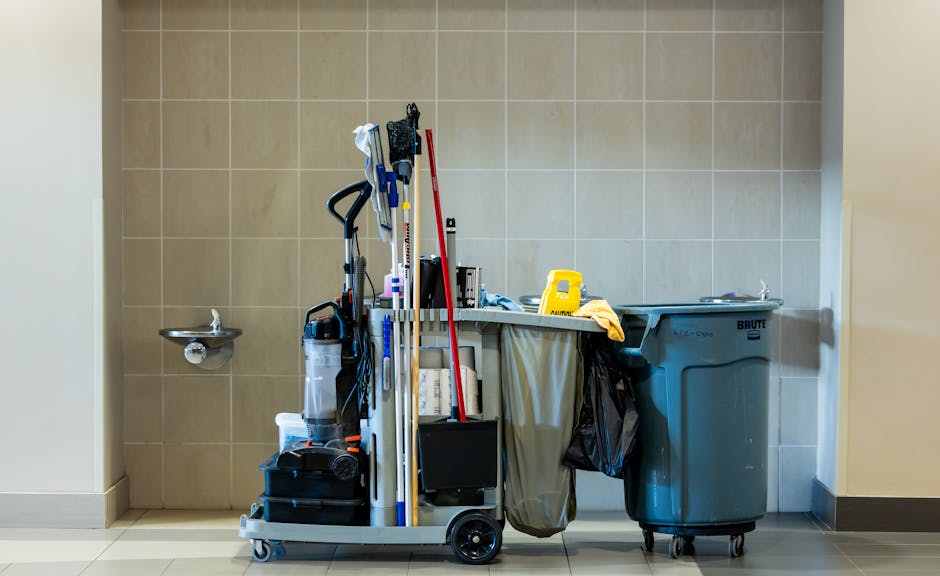
Yiewsley Stockley Park office cleaning for small businesses: a practical local guide
If you run a small business in or around Stockley Park, you already know the odd little truths of office life: crumbs appear from nowhere, reception desks get fingerprints by lunchtime, and carpets somehow look tired long before anyone admits it. Yiewsley Stockley Park office cleaning for small businesses is not just about making a place look neat. It is about keeping a workspace professional, comfortable, and calm enough for people to do good work without distraction.
This guide explains how office cleaning works in practice, what small businesses should look for, where the real value sits, and how to avoid the common mistakes that cost time and money. It also covers the sensible trust signals to expect from a provider, plus a few straightforward ways to get better results without overcomplicating things. Truth be told, most businesses do not need a grand cleaning strategy. They need one that actually fits their office, their hours, and their budget.
- Why it matters for small businesses in Yiewsley and Stockley Park
- How the cleaning process usually works
- Key benefits and practical advantages
- Who it is for and when it makes sense
- Step-by-step guidance
- Expert tips for better results
- Common mistakes to avoid
- Tools, resources and recommendations
- Law, compliance, standards, and best practice
- Options, methods, and comparison table
- Case study or real-world example
- Practical checklist
- Frequently asked questions
Why Yiewsley Stockley Park office cleaning for small businesses Matters
A small office can go from tidy to cluttered very quickly. One busy morning, a couple of visitors, a takeaway lunch, and suddenly the place feels less like a working environment and more like an afterthought. That matters more than many owners expect. Clients notice when a meeting room smells stale or when shared surfaces look neglected. Staff notice too, even if they never say it out loud.
For small businesses, cleaning has to work harder because the margin for waste is tighter. You do not have spare rooms, endless storage, or a large facilities team to absorb problems. If the kitchen is messy, it shows. If the carpet is marked, it shows. If bins are missed on a Thursday afternoon, everyone feels it by Friday. A good office cleaning plan supports first impressions, morale, and day-to-day hygiene all at once.
There is also a practical side. Offices in and around Stockley Park tend to see regular footfall, commute dirt, and a fair bit of coffee traffic. People bring in grit on shoes, dust builds on window ledges, and keyboards collect a surprising amount of debris. Those are ordinary issues, not dramatic ones, but ordinary issues are what slowly drag a workspace down.
Small businesses also need consistency. One-off tidying helps, but consistency is what keeps a space feeling well-run. In our experience, the businesses that get the best results are usually the ones that treat cleaning as a routine operational decision rather than a last-minute fix when a client is due in at 9am. That bit matters.
Expert summary: The best office cleaning for a small business is not the fanciest option. It is the one that matches the office size, the traffic level, the working hours, and the standards your customers expect without causing disruption.
How Yiewsley Stockley Park office cleaning for small businesses Works
Office cleaning usually starts with a walk-through or an initial conversation about the layout, the number of staff, the type of work you do, and which areas need the most attention. A design studio with a reception area and a meeting room will need a different approach from an accountancy firm with a small kitchenette and a handful of desks. Not exactly rocket science, but it does need thinking through.
A sensible cleaning plan often covers the following:
- Desks and work surfaces, wiped down with care around equipment
- Reception and meeting areas, where first impressions matter most
- Kitchenettes and staff areas, including touchpoints and bins
- Toilets and washrooms, where hygiene standards need to be clear
- Floors, including vacuuming, spot treatment, and mopping where suitable
- High-touch points such as door handles, switches, and shared devices
Depending on the office, there may be add-ons such as carpet cleaning, commercial carpet cleaning, or upholstery cleaning for chairs and soft furnishings that take a beating over time. If there is heavy spill risk or visible staining, stain removal may also be part of the picture.
Most good providers will ask about access times, alarm procedures, security expectations, and whether they need to work before opening, after closing, or in a quiet window during the day. Small offices can be sensitive to disruption. A cleaner moving through a call-heavy workplace at the wrong time can cause more friction than help. So the process should fit your rhythm, not fight it.
It is also common for providers to recommend different cleaning frequencies for different zones. Reception may need attention more often than a back office. A kitchenette may need daily touchpoint cleaning. Carpeted areas, especially in entrance routes, may need periodic deeper treatment rather than constant light cleaning. That mix is usually better than forcing one blanket approach across the whole workplace.
Key Benefits and Practical Advantages
There are obvious benefits to a clean office, of course. It looks better. It feels better. People are less embarrassed when visitors turn up unexpectedly. But the real value goes a bit deeper than that.
1. A better client impression. A clean office says the business is organised, attentive, and reliable. If someone walks into a neat reception and fresh-smelling meeting room, the tone is set before a single word is spoken. That can matter in small business environments where trust is still being built.
2. A more comfortable place to work. Nobody does their best work in a dusty, cluttered, sticky environment. It is harder to focus when the space feels neglected. Fresh carpets, clean desks, and tidy shared areas create less friction during the day. Small, yes, but real.
3. Less wear on surfaces and fittings. Dirt is not just unsightly; it is abrasive. Grit in carpet fibres, dust on upholstery, and repeated spills on soft furnishings all shorten the life of the materials. Regular care helps preserve them for longer, which is useful when budgets are tight.
4. Reduced build-up of odours and allergens. Office kitchens, bins, fabrics, and floor coverings can hold onto odours far longer than people realise. A structured cleaning routine helps prevent that stale, heavy smell that somehow lingers after lunch on a damp afternoon. You know the one.
5. Better use of staff time. If your team is spending time clearing mess, chasing bins, or apologising for untidy rooms, that is time lost. A professional service frees people to focus on the actual business. It sounds basic because it is basic, but it works.
6. Easier planning and fewer surprises. When cleaning is scheduled, agreed, and documented properly, issues become easier to spot. A stain, a damaged chair, or a recurring spill is picked up earlier. Small problems stay small. Which is, frankly, the whole point.
Who This Is For and When It Makes Sense
This kind of cleaning is a strong fit for small businesses that want a tidy, dependable workplace without building an in-house facilities function. That includes offices with a handful of staff, shared workspaces, professional practices, admin bases, client-facing rooms, and businesses operating from converted office units around Yiewsley and Stockley Park.
It also makes sense in specific situations:
- When clients regularly visit and first impressions matter
- When staff are sharing desks or communal facilities
- When carpets or upholstery are showing visible wear
- When hygiene concerns are becoming harder to manage internally
- When the office has a mix of desk work, meetings, and customer contact
- When after-hours access is more practical than daytime tidying
If your team is tiny, a full-time cleaner in-house is often unnecessary. But that does not mean you should leave things to chance. A scheduled external service can be more flexible and, in many cases, simpler to manage. For businesses with only a few rooms, the best arrangement may be a weekly clean plus periodic deeper work on floors and soft furnishings.
Small businesses with landlords or shared building management should also check where responsibilities sit. Sometimes the common areas are handled elsewhere, while your own unit still needs a tailored plan. That split can be awkward if nobody has made it explicit, so it is worth clarifying early.
Step-by-Step Guidance
If you are setting up Yiewsley Stockley Park office cleaning for small businesses for the first time, the process is easier when you break it into clear steps.
1. Map the space honestly
List every area that matters: desks, meeting rooms, kitchenettes, toilets, reception, storage corners, and any carpets or soft seating. Do not forget the awkward bits. The area behind the printer often tells the truth about an office faster than the front desk does.
2. Separate daily tasks from deep-clean tasks
Daily work usually focuses on touchpoints, bins, surfaces, and visible mess. Deep-clean tasks are more intensive and happen less often: steam treatment, stain lifting, upholstery care, or carpet restoration. The difference matters because not everything should be cleaned at the same frequency.
3. Decide when cleaning should happen
Before opening and after closing are common choices. Some offices also prefer a quiet midday window. The right option depends on access, noise, security, and how often the space is occupied. A cleaning slot that disrupts client calls is not much of a slot at all.
4. Choose the right scope
Start with what genuinely needs doing. For example, a small office may only need regular vacuuming, washroom cleaning, kitchen wipe-downs, and periodic steam carpet cleaning. Another office may need sofa cleaning and curtain cleaning because the soft furnishings take on odour and dust.
5. Confirm standards and expectations
It helps to be specific. For instance, what does "clean kitchen" mean in your office? Empty bins, wipe counters, sanitise handles, clean sink, check fridge area, and tidy visible spillages is a lot clearer than the word clean on its own. Vague instructions are where disappointment tends to sneak in.
6. Review after the first few visits
The first few cleans should be treated as a refinement phase. You may find certain areas need more attention than expected, or that some tasks are unnecessary. A good provider will adapt rather than force a rigid template. That flexibility usually makes the relationship work better over time.
Expert Tips for Better Results
Here is the part many offices miss: the best cleaning results often come from a few small operational habits, not just from the cleaner themselves.
Keep clutter under control. Surfaces can only be cleaned properly if they are reasonably clear. If files, mugs, cables, and sample boxes are spread everywhere, the cleaning team has to work around them. That slows everything down and leaves more missed spots.
Use the right materials in the right places. Not every surface should be treated the same way. Screens, polished desks, laminate counters, fabric chairs, and carpets all need different care. If your office handles its own spot cleaning between visits, keep that simple and consistent.
Protect high-traffic areas first. Entry mats, reception carpet, and meeting room seating usually show wear before anything else. Focus on those hotspots and you will often get a bigger visual improvement than trying to make every corner look showroom-perfect.
Schedule fabric and floor care before damage becomes obvious. Once a chair armrest or corridor carpet looks dirty enough for everyone to notice, the job is harder. Periodic upkeep is easier than rescue work. That sounds obvious, but offices forget it all the time.
Document recurring issues. If one meeting room always has coffee ring marks or one corner always collects dust, make a note. Patterns are useful. They show where the workflow, not just the cleaning, may need a tweak.
Ask for a mixed approach if needed. A small business may not need every area cleaned at the same depth. For instance, entry carpets can be handled with one method, while office chairs and fabric panels are treated separately using upholstery cleaning. The smarter the mix, the better the result usually is.
And one more thing. If the office smells faintly of last week's lunch by Thursday afternoon, it is probably telling you the routine needs adjusting. Spaces do that. Quietly, but they do.
Common Mistakes to Avoid
Cleaning problems in small offices often come from assumptions rather than bad intentions. The business owner assumes the cleaner will know what they mean. The cleaner assumes the office wants a basic once-over. Somewhere in the middle, expectations get crossed.
- Being too vague about the scope. "Clean the office" is not a plan. It is a wish.
- Ignoring soft furnishings. Chairs, screens, blinds, and carpeted areas gather dirt more quickly than many people expect.
- Leaving deep cleaning until things look bad. By then, stains may have settled in and odours may be harder to remove.
- Choosing cleaning times that clash with real office use. This often creates awkward interruptions and half-finished work.
- Overlooking security and access procedures. Keys, alarms, and entry instructions need to be clear from day one.
- Assuming one schedule fits everything. Reception, kitchen, toilets, and storage spaces do not all need the same frequency.
A common one, especially in smaller firms, is forgetting that staff habits affect cleaning outcomes. If people leave mugs in meeting rooms, eat at desks, or pile paperwork on every surface, the cleaning team has to work twice as hard. Not ideal. A little office discipline goes a long way.
Tools, Resources and Recommendations
You do not need a warehouse of equipment to keep a small office in good shape, but it helps to know what the important tools and service options are.
| Area | Useful method | Why it helps |
|---|---|---|
| Floors and entrance routes | Vacuuming plus periodic steam carpet cleaning | Removes embedded dirt and refreshes high-traffic areas |
| Meeting rooms | Surface cleaning with targeted fabric care | Improves presentation before client visits |
| Reception seating | Sofa cleaning or upholstery care | Helps seating look fresher and last longer |
| Desks and shared touchpoints | Regular wipe-downs | Supports day-to-day hygiene and neatness |
| Stained or marked surfaces | Stain removal | Stops small accidents becoming permanent eyesores |
When comparing providers, it also helps to look at their wider service pages and company information. For example, about us can tell you whether a business feels established and straightforward, while pricing and quotes should help you understand how estimates are handled. If you want reassurance around handling and procedures, insurance and safety and the health and safety policy are worth reading.
For offices trying to make greener choices, the recycling and sustainability page is a useful signal that waste handling and material choices are taken seriously. You may not need to obsess over every detail. But knowing the basics makes comparison much easier.
Law, Compliance, Standards, or Best Practice
Office cleaning for small businesses touches on several practical compliance and best-practice concerns, even if the cleaning itself is simple. The exact obligations depend on the workplace, the services used, and the risks present, so it is wise to treat this as general guidance rather than legal advice.
In a UK office setting, sensible best practice usually includes:
- Keeping walkways clear to reduce trip hazards
- Using safe access procedures for cleaners outside normal hours
- Storing chemicals correctly and following product instructions
- Protecting electrical equipment from inappropriate cleaning methods
- Documenting access, alarm, and security arrangements
- Making sure staff know who to contact if a cleaning issue is found
For business owners, it is also wise to ask whether the cleaner follows a clear health and safety process, carries suitable insurance, and has a straightforward way to handle concerns. That is where proper documentation matters. A provider with clear policies is easier to trust than one who just says, "Don't worry, we'll be fine." Well, maybe. But fine is not a policy.
Privacy can matter too, especially if cleaners work around desks, documents, or shared devices. A good provider should understand professional boundaries and respect the office environment. If they need access to secure areas, arrangements should be made clearly and only as needed.
When reading terms, keep an eye on scope, access, payment timing, cancellation terms, and complaint handling. The company's terms and conditions and complaints procedure can tell you a lot about how well things are likely to be managed if something goes wrong. That is not negative thinking. It is just sensible.
Options, Methods, or Comparison Table
Small businesses usually end up choosing between a few common approaches. Each has its place, and the right one depends on how busy your office is, how much public-facing work you do, and how much flexibility you need.
| Option | Best for | Pros | Trade-offs |
|---|---|---|---|
| Light regular office cleaning | Small offices with modest footfall | Simple, affordable, low disruption | May not address deeper carpet or fabric build-up |
| Regular plus periodic deep cleaning | Offices with clients, carpets, and shared spaces | Balanced, better presentation, longer-lasting surfaces | Requires planning and a bit more coordination |
| Targeted specialist cleaning only | Offices with one-off issues like stains or marked upholstery | Good for specific problems | Does not maintain the whole office by itself |
For many small businesses, the middle option is the sweet spot. Regular cleaning keeps the office presentable, while periodic specialist work handles carpets, seating, and stubborn marks. It is the sort of arrangement that quietly does its job in the background, which is usually what you want from office maintenance.
Case Study or Real-World Example
Here is a realistic example based on the sort of office many small businesses have in the Yiewsley and Stockley Park area. A team of eight runs a customer services office with a reception desk, a meeting room, a kitchenette, one washroom, and carpeted walkways from the entrance to the desks. They are tidy enough, but busy. Coffee cups multiply. Foot traffic brings in grit. The reception chairs start to look a little flat, and the meeting room carpet shows a couple of old spill marks near the table legs.
At first, they try to manage it themselves. It works for a week or two, then the routine slips. Someone is always on a call, or heading out, or trying to finish a report. To be fair, that is how small offices often work. They are busy living, not just maintaining.
So they switch to a structured schedule: weekly general office cleaning, with periodic commercial carpet cleaning for the high-traffic areas and occasional upholstery treatment for the reception seating. The result is not dramatic in a flashy way. It is better than that. The office feels calmer. Visitors stop noticing the carpet first. Staff complain less about dusty corners. The place starts to feel like it belongs to a business that pays attention.
The biggest change is not visual, though that helps. It is operational. Nobody has to scramble before meetings. The office looks ready most of the time. That is a small thing, until you have lived without it.
Practical Checklist
Use this checklist before you arrange office cleaning or review an existing setup.
- Have you listed all spaces that need cleaning, including shared and overlooked areas?
- Do you know which tasks are daily, weekly, and occasional?
- Are access times, keys, alarms, and security steps written down clearly?
- Have you identified any carpets, upholstery, or curtains that need special care?
- Do you have a plan for spills, stains, and quick response cleaning?
- Have you agreed what "clean" means for kitchen and washroom areas?
- Are your staff keeping desks and communal spaces reasonably clear?
- Have you checked insurance, health and safety, and complaint handling information?
- Do you know how pricing is structured and what is included?
- Will the schedule fit your opening hours without unnecessary disruption?
If most of those boxes are already covered, you are in good shape. If not, no drama. It is far easier to fix the plan before it becomes a routine problem.
Conclusion
Yiewsley Stockley Park office cleaning for small businesses is really about giving your workplace the right level of care, no more and no less. A small office does not need an overcomplicated facilities setup. It does need consistency, good communication, and a cleaning approach that supports the way the business actually runs.
When you get that balance right, the office feels better to work in, better to visit, and easier to manage. Carpets stay fresher, shared spaces stay more usable, and you spend less time dealing with avoidable mess. That is good for staff, good for visitors, and good for the person trying to keep the whole thing together on a normal weekday morning.
If you are reviewing your current setup, start with the basics: scope, schedule, trust, and follow-through. That alone will tell you a lot. And once the place feels under control again, you will notice the difference every time you walk through the door.
Get a free quote today and see how much you can save.
Sometimes the best office improvement is the one you stop thinking about because it simply works, day after day.
Frequently Asked Questions
What does Yiewsley Stockley Park office cleaning for small businesses usually include?
It usually includes desks and surfaces, bins, floors, washrooms, kitchen areas, and high-touch points such as handles and switches. Some offices also add carpet or upholstery care where needed.
How often should a small office be cleaned?
That depends on footfall, client visits, and how many shared spaces you have. Many small businesses use a weekly clean with daily attention to high-use areas, but busier offices may need more frequent visits.
Do small businesses need specialist carpet cleaning as well?
Often, yes. Regular vacuuming helps, but commercial carpets can hold dirt and spill marks over time. A periodic deep clean can make the space look fresher and help the carpet last longer.
Can cleaning be arranged outside business hours?
Yes, and for many small offices that is the easiest option. After-hours cleaning reduces disruption and helps protect confidentiality and productivity during the day.
What should I ask before hiring an office cleaner?
Ask what is included, how access and security are handled, whether the provider has insurance, how issues are reported, and what happens if you need to change the schedule. Clear answers matter more than polished sales talk.
Is professional office cleaning worth it for a very small team?
Usually, yes, if you want a consistent standard without taking staff away from core work. Even a tiny office can benefit from regular support, especially when clients visit or shared areas get heavy use.
What is the difference between regular cleaning and deep cleaning?
Regular cleaning covers routine upkeep such as wiping, vacuuming, and sanitising common areas. Deep cleaning is more detailed and may include carpet treatment, upholstery care, and attention to built-up dirt in less obvious places.
How do I know if my office needs upholstery cleaning?
If chairs, sofas, or reception seating are looking dull, carrying odours, or showing visible marks, upholstery cleaning may be a sensible next step. It is especially useful in client-facing areas.
What if my office has stains that keep coming back?
Recurring stains usually mean the source has not been fully addressed, or the cleaning method is not quite right for the material. Targeted stain removal is often better than repeated surface wiping.
Are cleaning products safe around office electronics?
They should be, if used properly. Screens, keyboards, and other equipment need careful handling. A good cleaner will know not to oversaturate surfaces or use harsh methods near electronics.
Do I need to worry about health and safety documentation?
Yes, at least at a basic level. You should understand how access is managed, what products are used, how risks are handled, and who is responsible if there is an issue. Good paperwork is not glamorous, but it helps.
How can I get the best value from office cleaning?
Keep the scope clear, match the schedule to your usage, protect high-traffic areas first, and combine routine cleaning with occasional specialist care where needed. That combination usually gives the best long-term value.